
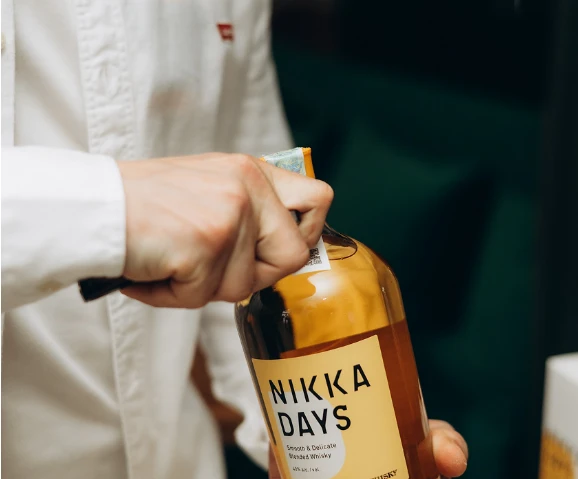
Wine service is an important part of the guest experience in many hotels, restaurants, resorts, and beachside dining venues. Yet maintaining consistent service can be challenging when employees have different levels of wine knowledge, seasonal staff join the team, or managers have limited time for in-person training.
Online sommelier courses offer one way to address these challenges. They give hospitality professionals an opportunity to develop structured wine knowledge while continuing their regular work. When learning is combined with practical tasting, service standards, and team communication, it can help employees make more informed recommendations and respond to guests with greater confidence.
Why Wine Knowledge Matters in Hospitality
A wine list is more than a selection of bottles. It is part of a restaurant's identity, a complement to the food menu, and a potential point of differentiation in a competitive hospitality market.
Guests may ask for a wine that matches a particular dish, suits a specific budget, or reflects a style they enjoyed during a previous visit. Employees who understand the fundamentals of wine can respond to these questions more effectively than those who rely solely on memorised descriptions.
More confident communication with guests
Staff do not need to become professional sommeliers to provide useful wine recommendations. However, they should understand basic differences between grape varieties, wine regions, sweetness levels, acidity, tannins, and body.
This knowledge gives employees a practical vocabulary for describing a wine without overwhelming guests with technical terminology. For example, a server might explain that a fresh, high-acidity white wine can complement a seafood dish, while a fuller-bodied red may work better with a rich, slowly cooked meat preparation.
The objective is not to demonstrate expertise for its own sake. It is to help guests make choices that suit their preferences.
More consistent service across the team
Inconsistent recommendations can create an uneven experience. One employee may explain the wine list confidently, while another may avoid questions or provide only generic answers.
A shared foundation of wine knowledge helps establish more consistent service standards. It also gives managers a clearer basis for coaching employees and identifying areas where additional training is needed.
How Online Sommelier Courses Fit into Hospitality Operations
Hospitality businesses rarely have unlimited time for staff development. Restaurant teams work across shifts, resort operations may be seasonal, and managers must balance training with immediate service requirements.
Online learning can make professional development easier to organise because employees can study without travelling to a training venue. Depending on the course format, learning may take place around work schedules, allowing teams to build knowledge progressively.
Flexible learning for busy teams
Online sommelier training can be relevant to several groups within a hospitality business:
- Restaurant servers can develop their understanding of wine styles, tasting vocabulary, and food pairing.
- Hotel food and beverage teams can strengthen their knowledge of wine service and guest recommendations.
- Restaurant managers can improve their ability to discuss wine selections and support staff development.
- Resort operators can use structured learning as part of a wider approach to maintaining service standards across different departments.
Before choosing a programme, managers should examine the course content, teaching format, opportunities for feedback, and relevance to their team's responsibilities. A course designed for beginners may be appropriate for general service staff, while employees responsible for purchasing or managing a complex wine programme may require more advanced study.
Combining theory with practical tasting
Wine knowledge becomes more useful when employees can connect theory with real examples. Learning about acidity, tannins, aroma, and structure provides a framework, but tasting helps staff understand how these characteristics appear in different wines.
A hospitality business can reinforce online learning through short, organised team sessions. Managers might select two wines with contrasting styles and ask employees to describe their differences in plain language. The exercise can focus on aroma, body, acidity, and possible food pairings.
The aim is not to memorise elaborate tasting notes. It is to develop the ability to recognise meaningful differences and explain them clearly to guests.
Building a Practical Wine Training Plan
Online education is most useful when it connects with the daily responsibilities of the team. Hospitality managers can create a simple implementation plan that translates learning into service practices.
1. Assess the team's current knowledge
Begin by identifying the questions employees find difficult to answer. These may concern grape varieties, wine regions, food pairing, serving temperatures, or the differences between sparkling wine styles.
Managers can gather this information through informal discussions, observation during service, or a short knowledge assessment. The results help establish priorities and prevent staff from spending time on material they already understand.
2. Choose training that matches business needs
The right course depends on the team's experience and the venue's positioning. A casual beach restaurant may prioritise approachable wine descriptions, popular styles, and pairing suggestions for its menu. A boutique hotel with a more extensive wine list may need greater emphasis on regional differences, vintages, storage, and service techniques.
Course selection should also account for practical considerations such as lesson accessibility, the amount of independent study required, and whether learners can ask questions or receive feedback.
Hospitality professionals exploring online sommelier courses can review the available learning options and consider how they relate to their own experience and professional goals.
3. Connect learning to the menu
Training should reflect the wines and dishes that employees encounter at work. If a restaurant regularly serves grilled fish, spicy dishes, or rich sauces, team exercises can explore how wine characteristics interact with those foods.
For example, acidity can provide contrast to rich or fatty dishes, while sweetness may help balance certain spicy preparations. These are useful starting points rather than rigid rules: the ingredients, preparation method, sauce, and guest preferences all influence the final recommendation.
A practical exercise might ask each employee to suggest two wines for a particular dish and explain the reasoning behind each choice. Discussing the answers helps develop both product knowledge and communication skills.
4. Establish shared service standards
Managers can turn the team's learning into a short internal reference guide. It might include key information about the wine list, recommended serving temperatures, opening procedures, glassware, storage requirements, and examples of clear guest-friendly descriptions.
Employees should also know when to seek assistance. If a guest asks a technical question outside their knowledge, an honest response and an offer to consult a colleague are preferable to an uncertain or invented answer.
5. Review progress over time
Training should be evaluated through practical indicators rather than assumptions about its impact. Managers can observe whether employees explain wines more clearly, answer common questions more confidently, follow service procedures consistently, and make recommendations that reflect the guest's needs.
Short follow-up tastings and team discussions can reveal where additional learning would be useful. Changes in guest feedback may also provide context, although they should not automatically be attributed to a single training initiative.
Common Mistakes to Avoid
One mistake is treating wine education as a one-off activity. Without opportunities to apply and revisit new knowledge, employees may struggle to retain details or use them during busy service periods.
Another is expecting every team member to develop the same level of expertise. A restaurant server, purchasing manager, and specialist sommelier have different responsibilities and therefore different learning needs.
Training can also become less effective when it focuses exclusively on technical terminology. Guests generally benefit more from understandable explanations connected to taste, food, and personal preference than from a long list of unfamiliar wine terms.
Finally, online learning should not be expected to resolve every operational problem. Wine quality, pricing, stock management, menu design, glassware, and service procedures all influence the guest experience. Education is one component of a broader management approach.
Why Wine Education Matters in Growing Resort Markets
Hotels and restaurants in developing tourist destinations may need to build teams quickly, manage seasonal recruitment, and serve guests with diverse cultural backgrounds and levels of wine knowledge.
A structured training approach can provide employees with a common foundation even when their previous experience differs. Online study may be particularly convenient when staff members work across locations or cannot regularly attend in-person classes.
Managers should still adapt training to local conditions. The wine list should reflect the venue's menu, purchasing arrangements, guest preferences, and budget. Staff also need clear guidance on responsible alcohol service and applicable local requirements.
The most effective approach combines accessible education with practical coaching, clear operating procedures, and regular opportunities to taste and discuss the products being served.
Conclusion
Wine education can help hospitality teams develop the knowledge and communication skills needed for more consistent wine service. Online sommelier courses provide a flexible way to build that foundation, particularly when training time is limited or employees have different schedules.
For managers, the next step is to identify the team's knowledge gaps, choose learning that matches the venue's needs, and reinforce it through tastings and everyday service practices. The goal is not simply to know more about wine, but to use that knowledge to give guests clear, thoughtful, and appropriate recommendations.
About Matthew's Wine School
Matthew Wine & Spirit Academy provides wine education through online courses and other learning formats. Its programmes cover foundational wine knowledge, including grape varieties, wine regions, wine labels, tasting, and food pairing. Hospitality professionals can explore the available courses to assess whether a particular programme suits their learning needs and professional development goals.